Creating a relaxing home environment is essential for maintaining productivity and promoting well-being. Whether you work from home, manage household tasks, or simply want to recharge after a busy day, a calm and organized space can make all the difference. Here are practical tips to help you design a peaceful home atmosphere that supports both your focus and relaxation needs.
Why a Relaxing Home Environment Matters
Your home is where you spend a significant portion of your time. An environment that feels soothing and welcoming can reduce stress, improve mood, and increase your ability to concentrate. By consciously shaping your space, you’re investing in your overall health and daily performance.
Declutter for Mental Clarity
Clutter can create visual noise that distracts your mind and drains your energy. Start by:
– Organizing regularly: Set aside time weekly or monthly to tidy up drawers, shelves, and countertops.
– Using storage solutions: Utilize baskets, bins, and labels to keep items neatly stored and easy to find.
– Letting go: Donate or recycle things you no longer need or use to free up space.
A tidy home promotes calmness and helps clear your thoughts so you can focus better.
Incorporate Soothing Colors and Lighting
Your choice of colors and lighting can directly influence your mood and productivity.
– Colors: Soft, muted tones like light blues, greens, or beige are known to have calming effects. Pick colors that resonate with you and avoid overly bright or harsh shades in key rooms.
– Natural light: Whenever possible, open curtains or blinds to let natural light inside. It helps regulate your body clock and improves alertness.
– Ambient lighting: Use warm, diffused lighting with lamps or light fixtures to create a cozy atmosphere during evenings.
Adjusting lighting to suit your activities supports increased comfort and reduces eye strain.
Designate Specific Areas for Work and Relaxation
Separating work zones from relaxation spaces helps your brain switch between focus and rest more easily.
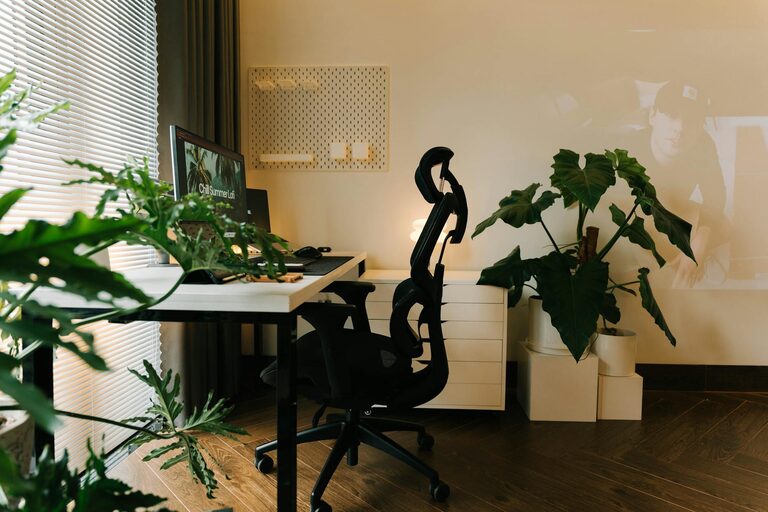
– Workspace setup: Create a comfortable spot with an ergonomic chair, adequate desk space, and minimal distractions.
– Relaxation spaces: Dedicate a corner or room for unwinding—add plush cushions, soft blankets, or a reading nook.
– Limit noise: Use noise-canceling headphones or play gentle background music to maintain concentration or calmness.
Clearly defined zones encourage better time management while fostering a balanced lifestyle.
Bring Nature Indoors
Adding elements from nature can greatly enhance your home environment and overall well-being.
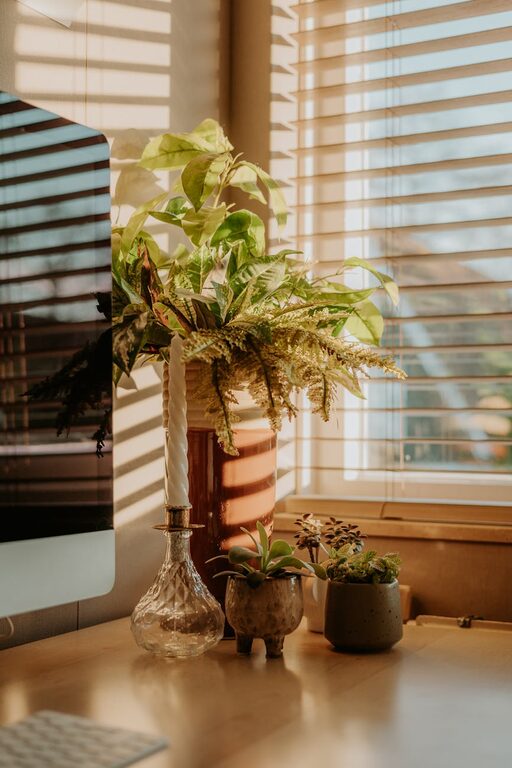
– Houseplants: Plants improve air quality and add life to your space. Easy-care options include pothos, snake plants, or succulents.
– Natural materials: Incorporate wood, stone, or woven textiles for a grounded feeling.
– Nature sounds: Consider gentle water fountains or recorded bird sounds to promote relaxation.
These natural touches create a refreshing atmosphere and reduce feelings of stress.
Maintain Comfortable Temperatures and Air Quality
Physical comfort is key to staying productive and relaxed.
– Temperature control: Adjust your heating or cooling to find a comfortable setting. Use fans, heaters, or window ventilation as needed.
– Air quality: Keep windows open periodically, use air purifiers, or add moisture with humidifiers to maintain fresh air.
– Clean regularly: Dust and allergens can affect breathing and comfort; consistent cleaning supports a healthier space.
A pleasant environment lets you focus without physical distractions.
Practice Mindful Decor and Personal Touches
The things you surround yourself with impact how you feel at home.
– Minimalist approach: Choose decor pieces that bring you joy without overcrowding your space.
– Sentimental items: Display photos, art, or keepsakes that inspire positive emotions.
– Comfort objects: Use soft rugs, candles, or cozy throws to enhance warmth and relaxation.
Personalized spaces encourage a sense of peace and belonging.
Create Healthy Routines within Your Home
Beyond the physical space, your habits can reinforce a relaxing environment.
– Morning and evening rituals: Establish routines that prepare you for the day ahead or help unwind at night.
– Regular breaks: Take short pauses during work to stretch or breathe deeply.
– Limit digital distractions: Designate screen-free times or areas to reduce overstimulation.
Consistent habits complement your environment to boost well-being and sustained productivity.
—
Final Thoughts
Transforming your home into a relaxing sanctuary doesn’t require a major overhaul. By implementing thoughtful changes like reducing clutter, improving lighting, and introducing nature, you can create a space that nurtures both your productivity and mental health. Small, consistent adjustments will help you enjoy a better balance and a more fulfilling daily life. Start today and experience the positive impact of a calm, comfortable home.
About the Author