
Creating a productive home office environment is essential for anyone working remotely or managing tasks from home. A well-designed workspace can improve focus, reduce distractions, and increase efficiency. Whether you are setting up a home office for the first time or looking to improve your current setup, this guide offers practical tips to help you create a space that supports productivity and well-being.
Choose the Right Location
The first step in establishing a productive home office is selecting a suitable location. Consider the following:
– Quiet Area: Choose a spot away from household noise, busy areas, and distractions.
– Natural Light: Opt for a space with ample natural light to boost mood and energy.
– Privacy: A room or corner where you can close the door or avoid interruptions helps maintain focus.
– Space: Ensure there is enough room for your desk, chair, and other work essentials.
If space is limited, use room dividers or decorative screens to separate your workspace from living areas.
Invest in Comfortable and Ergonomic Furniture
Comfort is key when spending extended hours at a desk. Ergonomics helps prevent strain and injuries:
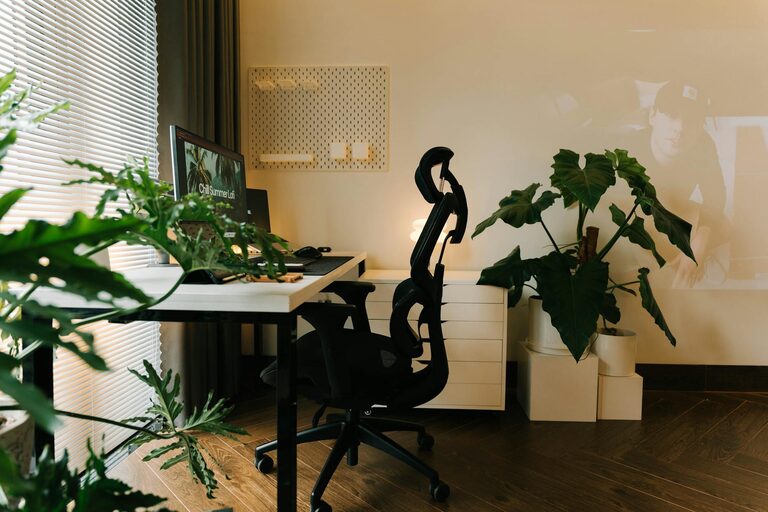
– Ergonomic Chair: Choose an adjustable chair with lumbar support that encourages good posture.
– Desk Height: Your desk should allow your forearms to rest parallel to the floor when typing.
– Monitor Positioning: Place your monitor at eye level, about an arm’s length away, to reduce neck strain.
– Footrest: Use a footrest if your feet don’t rest flat on the ground.
Remember, comfort leads to sustained focus and better productivity.
Organize Your Workspace
A clutter-free desk minimizes distractions and creates a more inviting work environment. Use these organizing ideas:
– Desk Organizers: Utilize trays, holders, and drawers to keep supplies neat.
– Cable Management: Use clips or ties to keep cords tidy and out of sight.
– Minimal Essentials: Keep only necessary items on your desk to avoid clutter.
– Digital Organization: Maintain a clean and organized desktop on your computer for easy access to files.
Regularly declutter your workspace to maintain a sense of order.
Optimize Lighting
Proper lighting reduces eye strain and improves alertness.
– Natural Light: Open curtains or blinds to maximize daylight.
– Task Lighting: Use adjustable desk lamps for focused lighting in the evening or dim conditions.
– Avoid Glare: Position screens to avoid reflections from windows or lights.
Good lighting can make a significant difference in your productivity and comfort.
Set Boundaries and a Schedule
Working from home can blur the lines between professional and personal time.
– Designated Work Hours: Establish clear start and end times to your workday.
– Breaks: Schedule regular short breaks to stretch and rest your eyes.
– Limit Interruptions: Communicate with family members or roommates about your work hours.
– Dress for Work: Changing into work-appropriate clothing can mentally prepare you for the day.
Practicing these habits promotes discipline and helps maintain work-life balance.
Personalize Your Space
Adding personal touches can increase comfort and motivation.
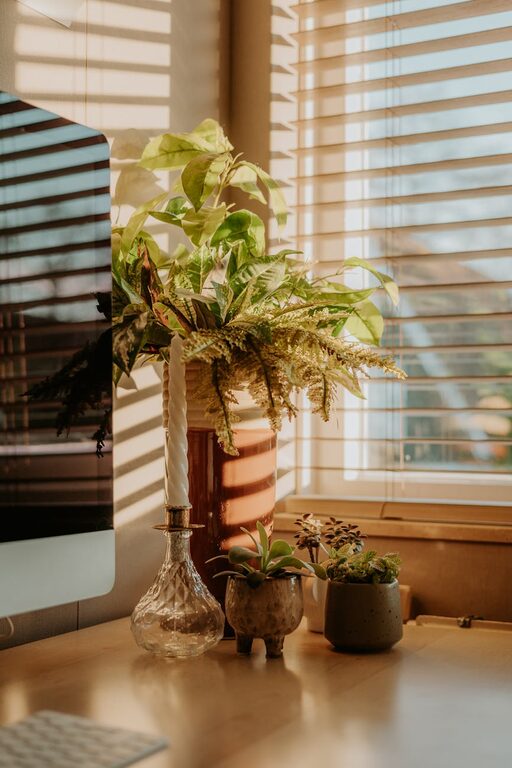
– Plants: Indoor plants improve air quality and add a calming influence.
– Art and Photos: Use wall art and pictures to make your office inviting.
– Inspirational Items: Place quotes or objects that inspire you within view.
Personalizing your space can make working from home more enjoyable.
Use Technology Wisely
Technology can enhance productivity when used effectively.
– Reliable Internet: Ensure you have a stable and fast connection.
– Headphones or Earbuds: Use noise-canceling headphones to reduce background noise.
– Productivity Apps: Utilize task managers, calendars, and timers to organize tasks.
– Backup Solutions: Regularly back up your work to avoid data loss.
Setting up your technology thoughtfully supports smooth and focused work.
Incorporate Healthy Habits
Your home office should support not only work but also your health.
– Ergonomic Breaks: Stand, stretch, or walk briefly every hour.
– Hydration: Keep a water bottle nearby to stay hydrated.
– Healthy Snacks: Have nutritious snacks available to maintain energy.
– Exercise Space: If possible, allocate a corner or area for light exercising.
Integrating healthy habits improves overall well-being and energy levels.
—
By considering these practical tips, you can create a home office environment that supports productivity, comfort, and balance. Tailor your workspace to fit your unique needs and preferences, and don’t hesitate to make changes as you discover what works best for you. With the right setup, your home office can become a place where work feels efficient and enjoyable.
About the Author